Enterprise video conferencing Connecting the Dots of Remote Teams

Enterprise video conferencing is like throwing a virtual party where everyone can join from the comfort of their own couch—pants optional! Imagine a world where your office is just a click away, and the only travel required is from your kitchen to your living room. This magical technology not only bridges the gap between remote teams but also sprinkles a bit of pixie dust on collaboration, communication, and well, possibly a few cups of coffee too!

With features designed to enhance connectivity, enterprise video conferencing solutions are the superheroes of the digital workplace. Whether it’s brainstorming over a project or sharing a laugh with colleagues, these platforms transform the mundane into the extraordinary, making distance feel like just a minor inconvenience. So grab your headsets and let’s dive into this brave new world of virtual meetings where the only thing missing might be the office donuts!

Understanding Enterprise Video Conferencing

In a world where staying connected is more important than ever, enterprise video conferencing has emerged as the superhero of remote communication. Picture this: thousands of employees across the globe, all working in their pajamas (we don’t judge), yet they can still collaborate as if they’re in the same room. Let’s dive into the key features, benefits, and the undeniable role video conferencing plays in enhancing collaboration within enterprises.

Key Features of Enterprise Video Conferencing Solutions

Enterprise video conferencing solutions are not just your ordinary video call apps; they boast a range of features that make them integral to business communication. Here are some key features that distinguish them:

  • High-Definition Video and Audio: Crystal clear quality ensures that no one misses a facial expression or an exciting “aha!” moment, making remote interactions feel more personal.
  • Screen Sharing: No more squinting at tiny presentations! Users can share their screens effortlessly, allowing participants to visualize data and concepts live while discussing them.
  • Recording Capabilities: Meetings can be recorded and archived for those who prefer to catch up later while stuffing their faces with popcorn.
  • Security Features: Robust encryption and secure access protocols ensure that confidential meetings remain confidential—no uninvited guests trying to crash the party!
  • Integrations: Seamless integration with calendars and other collaboration tools enhances workflow, making it easier to schedule and join meetings without the hassle.

Benefits of Using Video Conferencing for Remote Teams

Video conferencing is like the Swiss Army knife of remote work, providing multiple benefits that help teams thrive, no matter where they are. The following points highlight the advantages of utilizing video conferencing tools:

  • Enhanced Communication: Non-verbal cues, such as gestures and facial expressions, are easily conveyed, leading to reduced misunderstandings and clearer communication.
  • Increased Productivity: Meetings can be scheduled faster, and with less transition time between discussions, teams can get more done in less time.
  • Cost Savings: Travel expenses are significantly reduced, allowing businesses to allocate funds to other crucial areas like office snacks or team-building activities (we know where priorities lie).
  • Flexibility: With remote work becoming the norm, teams can connect from anywhere, allowing for a more diverse and dynamic workforce that can adapt to changes on the fly.
  • Improved Work-Life Balance: Employees can join meetings from the comfort of their homes, reducing commute times and increasing overall job satisfaction.

Role of Video Conferencing in Enhancing Collaboration and Communication

Video conferencing plays a pivotal role in transforming the way enterprises communicate and collaborate. It creates a virtual environment that fosters teamwork and innovation, and here’s how it accomplishes this:

  • Real-Time Collaboration: Teams can work on projects together in real-time, leveraging tools for simultaneous editing and brainstorming while debating who has the best coffee mug.
  • Team Building: Video calls can include casual catch-ups and fun activities, nurturing camaraderie and fostering relationships that might otherwise dwindle.
  • Accessibility: Video conferencing helps in including remote employees in all discussions, ensuring that everyone’s voice is heard, making them feel valued and part of the team.
  • Global Reach: Enterprises can connect with clients and partners across continents, breaking down geographical barriers and expanding their market presence.
  • Agility and Quick Decision-Making: Fast-paced environments benefit from the immediate feedback loop that video conferencing provides, allowing teams to pivot quickly based on discussions.

Integration with Broadband Internet and Mobile Technology

In the ever-evolving world of video conferencing, the duo of broadband internet and mobile technology plays a starring role, turning what used to be a pixelated dream into a crystal-clear reality. As we plunge into this digital age, understanding how these technologies intertwine can be the difference between a call that’s as smooth as butter and one that feels more like a glitchy episode of an old sitcom.

Broadband internet is the backbone of high-quality video conferencing, setting the stage for seamless connectivity. With its high-speed capabilities, it allows for larger amounts of data to be transmitted simultaneously. Without it, video calls can resemble a watercolor painting left out in the rain—blurry and hard to decipher. A stable broadband connection not only minimizes lag but also enhances audio-visual clarity, making it crucial for ensuring that your eloquent presentation doesn’t get interrupted by a hiccup in the connection.

Impact of Mobile Cell Phones on Accessibility

Mobile cell phones have become ubiquitous, and their contribution to video conferencing cannot be overstated. The ability to conduct meetings on-the-go has transformed how businesses operate, making every corner of the globe a potential boardroom. It’s as if we’ve all been granted the power of the “mobile office,” where meetings can happen over a coffee break or while waiting for the train.

The accessibility of mobile video conferencing means that anyone can join a meeting from anywhere, provided they have a signal. This convenience allows for spontaneous brainstorming sessions and last-minute updates without the need for a desktop or a conference room. However, the magic truly happens when you consider the sheer number of accessories that can elevate this experience from “meh” to “wow!”

Role of Mobile Cell Phone Accessories in Optimizing Experiences

To achieve a video conferencing experience that rivals a Hollywood production, mobile accessories come into play. Various tools are available to enhance audio and video quality, ensuring you don’t just sound good but look good too—because let’s be honest, nobody wants to be the one with the blurry camera or the audio that sounds like they’re trapped in a wind tunnel.Some essential accessories include:

  • External Microphones: These little wonders significantly improve sound quality, making you sound like the podcast host you always dreamed of being, rather than a muffled ghost.
  • Lighting Kits: Proper lighting can turn you from a shadowy figure into a radiant superstar, ensuring that your audience can actually see your facial expressions—crucial for conveying the right emotions during video calls.
  • Tripods and Stabilizers: A steady camera is essential for a professional-looking call. Say goodbye to the days of shaky hand-held footage that resembles a scene from a horror movie.
  • Headsets: A good headset not only blocks out the world around you but also makes you feel like you’re in mission control, ready to tackle any video conferencing challenge that comes your way.

Investing in quality mobile accessories means investing in your professional image and communication effectiveness. When you’re well-equipped, you’re not just participating in video calls; you’re commanding them—leaving a lasting impression that could land you the promotion or the deals you’ve been eyeing.

“The right tools can turn a simple video call into an unforgettable experience.”

Comparisons and Advances in Communication Technologies

Enterprise video conferencing

In a world where communication is key, the evolution of technology has turned the humble telephone into a multi-faceted powerhouse. Gone are the days of simple voice exchanges; we’re now riding the wave of video conferencing, which brings a whole new dimension to meetings. Let’s jump into the deep end and compare enterprise video conferencing with traditional telephone systems, explore the role of satellite radio and satellite TV, and trace the evolution of phone conferencing technology.

Enterprise Video Conferencing vs. Traditional Telephone Systems

Video conferencing has revolutionized the way we connect, transforming bland audio calls into vibrant, face-to-face interactions—without needing to wear pants. Here’s how they stack up against each other:

  • Visual Engagement: Video conferencing allows for non-verbal communication cues, enhancing understanding. Meanwhile, traditional phone calls leave your facial expressions to the imagination, which can lead to confusion—ever tried deciphering sarcasm over the phone?
  • Collaboration Tools: Modern video conferencing platforms often integrate collaborative tools like screen sharing and document editing. Traditional calls, however, are stuck in the “Tell me what you see” phase of communication.
  • Global Reach: Both technologies allow for global connections, but video conferencing makes it feel like you’re in the same room, while regular phone calls can feel like reaching out across a vast ocean—hello, echo!
  • Accessibility: Video conferencing requires a reliable internet connection and sometimes fancy equipment, while a phone system only needs a charged battery and a willing participant. Though let’s face it, who doesn’t love a good Wi-Fi drama?

Satellite Radio and Satellite TV in Relation to Video Conferencing

Satellite radio and TV have their own merits, but when placed next to video conferencing, they offer a mixed bag of pros and cons. Here’s a closer look:

  • Advantages:
    • Widespread Availability: Satellite services can reach remote areas where traditional broadband is a challenge, making it easier to stay connected (though you might have to dodge the occasional space junk).
    • Quality of Content: Satellite TV, for instance, offers a vast array of channels, while satellite radio provides diverse audio programming—perfect for background noise during intense video meetings.
  • Disadvantages:
    • Latency Issues: Satellite signals can experience significant delays, which is like trying to play charades with someone on Mars—awkward and time-consuming.
    • Cost: Both services often come with a subscription fee, and let’s not forget the equipment costs, which can add up faster than a coffee tab at a tech conference.

Evolution of Phone Conferencing Technology Alongside Video Conferencing

The journey of phone conferencing is like a thrilling rollercoaster ride, twisting and turning through time. The progression from basic audio calls to sophisticated video platforms has been nothing short of remarkable. Here’s how it evolved:

  • Initial Phases: Early phone conferencing involved a group of people dialing into a single line, often resulting in a cacophony of voices—like a karaoke night without the fun.
  • Introduction of Bridge Services: The introduction of conferencing bridges allowed multiple callers to join without chaos, creating a semblance of order—thank goodness for small mercies!
  • Integration with Digital Technology: The rise of VoIP (Voice over Internet Protocol) enabled clearer calls and reduced costs. It’s the high-def upgrade we never knew we needed.
  • Video Capabilities: The advent of video conferencing applications has transformed the landscape dramatically. Now, not only can you hear your colleagues snore during meetings, but you can also see it—how delightful!

“The future of communication is not just about speaking; it’s about connecting—visually, audibly, and emotionally.”

Conclusion

Enterprise video conferencing

In summary, enterprise video conferencing is not just a tool; it’s the digital equivalent of having a water cooler in your home office, minus the gossip. As we’ve explored the various benefits, integrations, and evolution of this technology, it’s clear that video conferencing is here to stay, making remote collaboration a walk in the park—albeit a park with Wi-Fi! So, whether you’re a corporate giant or a startup hustler, embracing this technology will surely make you the talk of the virtual town.

Here’s to clear connections and fewer awkward silences!

Common Queries

What are the main features of enterprise video conferencing?

Key features include high-quality video and audio, screen sharing, chat functions, and integration with other collaboration tools.

Can enterprise video conferencing be used on mobile devices?

Absolutely! Most platforms offer mobile applications that allow users to join meetings from their smartphones or tablets.

How does broadband internet affect video conferencing quality?

Faster broadband speeds typically result in clearer video and audio quality, reducing lag and interruptions during calls.

Are there any security concerns with enterprise video conferencing?

Yes, ensuring strong encryption and secure access is vital to protect sensitive information shared during meetings.

How has video conferencing evolved over the years?

Video conferencing has evolved from basic video calls to sophisticated platforms with advanced features like virtual backgrounds and AI enhancements.

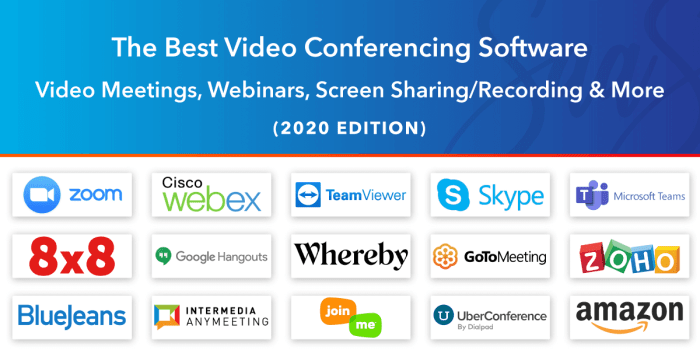
Free video conferencing made easy and hilarious

Slack conferencing nektony intl

Welcome to the wild world of Free video conferencing, where your living room becomes the high-stakes boardroom and your cat just might steal the spotlight! Imagine hosting a meeting where everyone is just a click away, and the only thing that stands between you and virtual success is a stable internet connection (and maybe that one guy who forgets to mute!).

In this digital age, free video conferencing platforms have turned into the unsung heroes of remote work, friendships maintained over a screen, and family gatherings that leave you questioning whether Uncle Bob has lost his Wi-Fi connection or his sanity. With features galore and a few quirks to boot, let’s dive into what makes these platforms tick, their limitations, and how to handle that pesky broadband hiccup that can turn your video call into a pixelated nightmare!

Free Video Conferencing Platforms

In a world that thrives on virtual connections, free video conferencing platforms have become a necessity, turning awkward family gatherings and professional meetings into seamless experiences. These platforms not only save the day but also your wallet, proving that sometimes the best things in life truly are free—unless you’re trying to figure out how to unmute your mic.The offerings of free video conferencing platforms vary widely, each with its unique features and benefits that cater to different users.

Popular options like Zoom, Google Meet, and Microsoft Teams provide users with an array of tools that make online meetings a breeze. Features such as screen sharing, virtual backgrounds, chat functions, and breakout rooms allow for dynamic interactions that keep participants engaged, whether they’re strategizing in a corporate meeting or sharing recipes in a family catch-up.

Features and Benefits of Popular Platforms

When considering a free video conferencing platform, it’s essential to know what they bring to the virtual party. Here are some key features and benefits that make these platforms stand out:

  • Zoom: Renowned for its high-quality video and audio, Zoom supports large meetings and webinars, with features like virtual backgrounds that can turn your living room into a tropical paradise. The breakout rooms are perfect for group discussions, making it feel like you’ve got your own private island… sort of.
  • Google Meet: Seamlessly integrated with Google Workspace, Google Meet offers a user-friendly interface and the ability to connect with anyone who has a Google account. It’s like a virtual handshake, minus the awkwardness.
  • Microsoft Teams: A powerhouse for collaboration, Teams combines video conferencing with document sharing and team communication tools. It’s like having a virtual office where you can argue over the last donut without any calories involved.

Limitations of Free Video Conferencing Options

While the free versions of these platforms come packed with features, they often come with their share of limitations that might leave users feeling like they’ve bitten into an unripe banana. Some common constraints include:

  • A time limit on group calls, often capping meetings at 40 minutes, which can lead to abrupt conversations ending mid-sentence—awkward!
  • Limited participant capacity, meaning if you’ve got a big family, someone might have to stay home, or worse, join the call in their pajamas.
  • Fewer administrative controls, which can be a headache for hosts trying to manage larger groups effectively.

User Experiences and Satisfaction Levels

User experiences with free video conferencing tools can be as varied as the backgrounds people choose to display. Generally, satisfaction levels fluctuate based on individual needs and expectations. Many users report positive experiences with ease of use and access to essential features without the financial commitment. However, certain complaints arise, particularly around connectivity issues and the occasional “Can you hear me now?” moments that everyone dreads.

According to a survey by TechJury, about 82% of users indicated they were satisfied with the free versions of their chosen platforms, though a significant number expressed a desire for additional features typically found in paid subscriptions.

“In the end, the best video conferencing tool is the one that gets the job done while making you laugh—because let’s be honest, we could all use a good chuckle after being stuck in a grid of faces for hours!”

Impact of Broadband Internet on Video Conferencing

In the world of video conferencing, broadband internet is like the magical potion that transforms a pumpkin into a carriage. Without it, your video calls may resemble a bad B-movie where everyone is lip-syncing to a soundtrack that drags behind. The speed of your broadband connection can be the difference between a seamless virtual meeting and a frustrating pixelated disaster.

Like a good Wi-Fi signal, let’s dive deep into the realm of broadband and uncover its impact on video conferencing!Broadband internet speed directly influences video quality, latency, and overall user experience during video calls. A higher bandwidth allows for better resolution and smoother streaming, making it easier to catch those elusive facial expressions and hand gestures. With speeds under 1 Mbps, you might as well be sending smoke signals! To illustrate, a study by the Federal Communications Commission found that video conferencing tends to require around 1.5 Mbps for standard quality, while HD video needs at least 3-4 Mbps.

So, if your connection is slower than molasses in January, you might find yourself in a waiting room of awkward silence and frozen faces.

Statistics on Broadband Availability and Video Conferencing Use

The correlation between broadband availability and the increasing use of video conferencing is more evident than a cat video going viral. In 2021, a report from the Pew Research Center revealed that approximately 93% of Americans have access to high-speed internet, a figure that has been steadily rising. As remote work surged during the pandemic, the demand for reliable video conferencing tools skyrocketed.

In fact, Zoom reported a 350% increase in daily meeting participants, jumping from 10 million to over 300 million in just a few months. This surge was made possible by broadband access that allowed users to connect seamlessly from their homes, avoiding the dreaded “Can you hear me now?” moments.

Troubleshooting Common Broadband Issues Impacting Video Calls

Even the most reliable broadband connections can experience hiccups. Understanding how to troubleshoot common broadband issues can keep your video calls as smooth as a jazz saxophonist. Here are essential steps to take when your connection seems to be playing hide-and-seek with your video feed:

Check Your Internet Speed

Use online speed tests to determine if you’re getting the speeds you’re paying for. If your actual speed is significantly lower, it’s time to have a chat with your service provider.

Restart Your Router

Like a cup of coffee on a Monday morning, sometimes your router just needs a little boost. Unplug it, count to ten, and plug it back in. Voila! Your connection might just work like a charm.

Limit Bandwidth Usage

Close all streaming services, downloads, or online games that may be hogging bandwidth. If your family is binge-watching shows while you’re in a meeting, it’s a recipe for disaster!

Use a Wired Connection

If possible, connect directly to your router with an Ethernet cable instead of relying on Wi-Fi. This can dramatically improve stability and speed, making you feel like you’ve just leveled up!

Update Your Equipment

Ensure your modem and router are up to date. Using outdated hardware can limit your internet performance faster than a cheetah chasing its prey.

Contact Your Internet Service Provider

If all else fails, reach out to your ISP. They may be able to fix issues on their end or send out a technician to help you dance around the technical tango that is broadband.By understanding broadband’s impact on video conferencing and how to troubleshoot common issues, you’ll be better equipped to navigate the virtual meeting landscape without the frustration of freezing screens or dropped connections.

Remember, in the age of remote work, a reliable broadband connection is your best friend—and the key to keeping those virtual meetings rolling smoothly.

Mobile Cell Phones and Video Conferencing

Slack conferencing nektony intl

Mobile cell phones have revolutionized the way we connect, making video conferencing as easy as a tap on the screen. No longer confined to the office or home, professionals and casual users alike can join meetings, catch up with family, or throw virtual parties while on the go. With the right device, video conferencing can be a seamless experience, whether you’re on a bus, sipping coffee at a café, or lounging in your living room.When it comes to choosing the best mobile cell phone models for video conferencing, a few key features are essential.

High-quality cameras, robust processors, and reliable connectivity make all the difference. Here are some of the top contenders:

Best Mobile Cell Phone Models for Video Conferencing

The selection of a mobile device can greatly influence the quality of your video calls, and here are notable models with top-notch capabilities:

  • Apple iPhone 14 Pro: Known for its superb camera technology and stable performance, this phone offers features like Cinematic mode for stunning video quality.
  • Samsung Galaxy S23 Ultra: With its impressive display and advanced camera system, this model ensures vivid visuals and clear audio, making it a favorite among video conferencing enthusiasts.
  • Google Pixel 7 Pro: Renowned for its excellent software optimization and camera quality, it provides a smooth video conferencing experience even in varying lighting conditions.
  • OnePlus 11: This device boasts a fast processor and a sharp display, ensuring that you stay connected without any lag during calls.

Beyond just the phone itself, mobile cell phone accessories can significantly enhance your video conferencing experience. Accessories like external microphones and ring lights can make you look and sound like a million bucks, even if you’re still in your pajamas!

Mobile Cell Phone Accessories for Enhanced Video Conferencing

Investing in the right accessories can elevate your video conferencing game from “meh” to “magnificent.” Consider these accessories that can transform your calls:

  • External Microphone: Plugging in a high-quality external microphone can drastically improve audio clarity, ensuring your boss hears every word, including your riveting monologue about office snacks.
  • Ring Light: Good lighting makes a world of difference. A portable ring light can help you look your best, illuminating your face better than a thousand Instagram filters.
  • Phone Stand: A sturdy phone stand can prevent awkward angles and shaky footage, giving you the confidence of a professional presenter instead of a confused cat.
  • Noise-Canceling Headphones: These gems block out background noise, making your calls feel like you’re in a soundproof studio, even if there’s a dog barking in the background.

When comparing mobile cell phone capabilities for video conferencing versus traditional computers, there are several factors to consider. While computers tend to offer larger screens and more processing power, mobile phones provide unparalleled convenience and portability. They allow you to conference from virtually anywhere, which is a significant advantage in our increasingly mobile world.

Comparison of Mobile Cell Phone Capabilities Versus Traditional Computers

Both platforms have their pros and cons, which makes the choice dependent on personal preference and context.

  • Portability: Mobile phones can be carried in your pocket, making them the go-to option for on-the-go video conferencing. Traditional computers, while powerful, often require a designated space.
  • Camera Quality: While many laptops have acceptable webcams, high-end smartphones usually pack better camera technology, resulting in sharper video quality.
  • Battery Life: Mobile phones often outlast laptops in terms of battery life, allowing for longer meetings without hunting for a power outlet.
  • User Interface: Phones offer touch interfaces that can be more intuitive for some users, whereas traditional computers may require more navigation through menus and windows.

In the battle of the devices, remember: It’s not just about size; it’s about how you use it to connect!

Last Point

Free video conferencing

As we wrap up our journey through the land of Free video conferencing, remember that while these platforms may come with a few limitations and the occasional technological hiccup, they also offer unparalleled accessibility and connections. So grab your favorite snack, set up your camera (maybe not too close—no one needs to see your nostrils!), and embrace the quirky chaos of virtual meetings with open arms!

FAQ Section

What are some popular free video conferencing platforms?

Some popular options include Zoom, Google Meet, Skype, and Microsoft Teams, each with its unique features and charms!

Can I record my video calls on free platforms?

Many free platforms allow recording, but usually, it’s only available on the paid versions or with certain limitations, so check before hitting the record button!

How can I improve my video call quality?

Ensure you have a stable broadband connection, use good lighting, and invest in a decent microphone to make you sound like a podcasting pro instead of someone trapped in a tin can!

Is it safe to use free video conferencing tools?

While mostly safe, it’s always wise to use password protection and limit access to trusted contacts to keep those unwanted guests (or trolls) out!

Do I need special equipment for video conferencing?

Not really! A smartphone or computer with a camera and microphone works wonders, but a good headset can be a game-changer for sound quality!

Telephone system upgrades for a modern business world

Telephone system upgrades

Telephone system upgrades are like giving your business a high-five from the future! Imagine your old, clunky phone system being replaced with a sleek, modern setup that not only keeps the lines open but also boosts your productivity like a double shot of espresso on a Monday morning. As we dive into this delightful topic, we’ll explore the wonders of modern telephone systems and how they can transform your business into a communication powerhouse.

In today’s fast-paced world, upgrading your telephone system is no longer just a luxury; it’s a necessity! With benefits like enhanced efficiency, seamless integration with broadband internet, and compatibility with mobile trends, these upgrades are crucial for staying ahead of the competition. So, buckle up as we unravel the key features that make upgraded systems the life of the corporate party!

Importance of Telephone System Upgrades

Telephone system upgrades

In the fast-paced world of business, where every second counts and missed calls could mean missed opportunities, keeping your communication tools up to date is crucial. Upgrading your telephone system is not just about having the latest gadgets; it’s about enhancing connectivity, improving customer relationships, and boosting overall productivity. Think of it as trading in your old flip phone for a smartphone; the difference is night and day, and your business will thank you for it!Modern telephone systems come equipped with features that streamline communication, allowing employees to focus on what truly matters—getting work done! These upgrades can significantly improve efficiency, reducing the time spent on calls and enhancing collaboration.

With that in mind, let’s dive into the key features that make modern systems a no-brainer for today’s businesses.

Key Features of Upgraded Telephone Systems

The leap from traditional telephone systems to modern alternatives is akin to upgrading from a horse-drawn carriage to a Tesla. Here are some standout features that make the switch worth it:

  • VoIP Technology: Voice over Internet Protocol allows calls to be made over the internet, vastly reducing costs and enhancing call quality. It’s like having a first-class ticket on the communication express!
  • Unified Communications: This feature integrates various communication tools—voice, video, messaging—into one seamless interface. It’s the Swiss Army knife of communication!
  • Scalability: Modern systems can easily grow with your business. Need more lines? Just add them online, rather than waiting for a tech to show up with a toolbox.
  • Advanced Analytics: With the ability to track call metrics and employee performance, businesses can make data-driven decisions. Numbers don’t lie, but they can certainly reveal a lot about your communication effectiveness!
  • Remote Capabilities: Whether your team is working from the office, home, or that beach in Bali, upgraded systems ensure everyone stays connected. The only thing missing is a cocktail in hand!

Upgrading your telephone system is more than just a tech refresh; it’s a strategic move that can propel your business forward, ensuring you’re not just keeping pace with the competition, but actually leading the charge into the future of communication.

Integration of Broadband Internet with Telephone Systems

In today’s fast-paced digital world, blending broadband Internet with telephone systems is like adding sprinkles on a cupcake — it enhances the flavor of communication and makes everything sweeter. The integration not only uplifts the functionalities of traditional telephone systems but also breathes new life into customer interactions, making them faster, clearer, and a whole lot more fun!Broadband Internet provides the high-speed connectivity that telephone systems crave.

By using Voice over Internet Protocol (VoIP) technologies, businesses can ditch those hefty phone bills and enjoy crystal-clear calls over the internet. VoIP works wonders by compressing voice signals into data packets, allowing for seamless communication, whether you’re calling your neighbor or a client halfway across the globe. The transition from traditional landlines to broadband-integrated systems is smoother than a jazz musician’s sax solo.

Compatibility of VoIP Services with Existing Infrastructure

Integrating VoIP services into current telephone infrastructure allows businesses to maximize their existing resources while enjoying modern capabilities. Here are the key points regarding compatibility:

  • VoIP services can easily coexist with traditional PBX systems, enabling a hybrid model that combines the best of both worlds.
  • Most modern VoIP providers offer solutions that require minimal hardware changes, allowing businesses to use their existing phones while upgrading to broadband functionality.
  • Compatibility with various devices, including smartphones and computers, means your employees can take calls from anywhere, even while wearing pajamas — a real win-win.

Big businesses have successfully integrated broadband with their telephone systems, proving that this combination is not just a dream but a reality. For instance, a renowned retail company significantly improved their customer service response times by adopting VoIP solutions, allowing representatives to take calls from anywhere, even while restocking the candy aisle. Similarly, a tech start-up enhanced team collaboration with VoIP, facilitating regular catch-ups without the fear of interruption due to poor connectivity.

This tech magic creates a synergy that keeps businesses ahead of the competition while sparing them from unnecessary costs.

“Why pay for the basic when you can elevate your communication game with broadband? It’s like trading in your bicycle for a rocket ship!”

Exploring Mobile Communication Trends

Telephone system upgrades

The world of mobile communication is constantly evolving, much like a chameleon at a disco party. With new technologies surfacing faster than you can say “can you hear me now?”, it’s crucial to stay updated on the latest trends that affect our telephone systems. Understanding these trends not only keeps you in the loop but also ensures your communication setup is as smooth as your favorite jazz playlist.Recent advancements in mobile cell phone technology are paving the way for seamless integration with telephone systems.

From 5G networks that make buffering a thing of the past to devices equipped with robust security features, the evolution of smartphones is revolutionizing how we communicate. The latest models not only boast high-resolution cameras but also enhanced connectivity options that allow for better synchronization with modern PBX systems.

Comparison of Mobile Cell Phone Accessories Supporting Upgraded Telephone Systems

When upgrading your telephone system, choosing the right mobile accessories can make all the difference. These accessories not only enhance functionality but also ensure that your mobile experience is smooth and effective. Here’s a look at some of the most popular mobile accessories that work wonders with modern telephone systems:

  • Bluetooth Headsets: The freedom to roam around while still being plugged into your conversations is invaluable. Modern Bluetooth headsets come equipped with noise-canceling features, allowing for crystal-clear calls even in bustling coffee shops.
  • Smartphone Docking Stations: These nifty gadgets transform your phone into a desktop communication hub, providing a comfortable interface for lengthy calls or video conferences. Plus, they look fancy on your desk!
  • Portable Chargers: Let’s face it: nobody wants to be that person whose phone dies mid-conversation. Portable chargers ensure you stay connected without the fear of your battery’s imminent demise.
  • Privacy Screen Protectors: In a world where privacy is paramount, these accessories make sure nosy onlookers can’t eavesdrop on your important calls or messages.
  • Wireless Speakers: Perfect for group calls or when you just want to blast your favorite tunes, wireless speakers enhance the audio experience, making conversations feel more natural.

The importance of selecting the right accessories cannot be overstated, as they directly influence the efficiency of your communication setup. Quality accessories can turn any device into a powerhouse of productivity.

Role of Mobile Cell Phone Reviews in Choosing Compatible Devices

When it comes to navigating the plethora of mobile devices available today, user reviews are your trusty compass. These reviews provide insights into how well a device integrates with upgraded telephone systems, along with performance feedback from actual users. Mobile cell phone reviews highlight crucial aspects such as battery life, connectivity features, and compatibility with various telephone systems. For example, a smartphone equipped with VoLTE capabilities allows users to make high-definition calls while simultaneously using data, crucial for those who live on the go.

A robust review can include a detailed analysis of features such as:

  • Operating System Compatibility: Ensuring that the phone’s OS supports essential communication apps is vital for seamless integration.
  • Carrier Support: Understanding which carriers the device works best with can save you headaches down the line.
  • Performance Ratings: Users often report on how well the device handles call quality and connectivity, which can guide your choice.

In conclusion, embracing the latest mobile communication trends, understanding useful accessories, and relying on credible mobile reviews will transform your experience with telephone systems, making it as effortless as your daily coffee run.

End of Discussion

As we wrap up this thrilling tale of telephone system upgrades, remember that embracing modern communication tools isn’t just about keeping up; it’s about leaping into a more efficient, connected future. From boosting productivity to integrating with the latest mobile trends, these upgrades have the potential to revolutionize your business communication. Now go forth and upgrade—your phone line and your bottom line will thank you!

FAQ Explained

Why should I upgrade my telephone system?

Upgrading enhances efficiency, improves productivity, and gives you access to new features that keep your business ahead of the curve.

What is VoIP and how does it work with my current system?

VoIP (Voice over Internet Protocol) uses the internet to make calls, and it can usually be integrated with existing telephone infrastructure for seamless communication.

Can I use my mobile phone with the upgraded system?

Absolutely! Modern upgrades often allow for easy integration with mobile devices, making communication even more flexible.

What are the key features of an upgraded telephone system?

Key features include enhanced call management, VoIP compatibility, mobile integration, and advanced analytics for tracking performance.

How can I choose the right accessories for my upgraded system?

Research mobile accessories that are compatible with your system, focusing on reviews and recommendations to ensure the best fit for your needs.

Best telephone systems for a business revolution

With Best telephone systems leading the charge, imagine a world where communication flows smoother than a buttered slide! Whether you’re a small startup or a corporate giant, the right telephone system can transform the way you connect, collaborate, and conquer your daily business challenges.

From traditional landlines that remind us of the good old days to the futuristic VoIP systems that let you take calls while surfing the web, each type has its quirks and qualities. As businesses grow, scalability becomes the name of the game, and understanding mobile and broadband integration is crucial for seamless communication. Buckle up as we uncover a treasure trove of advanced features that take your phone game to the next level!

Telephone Systems Overview

In our fast-paced digital world, where every second counts and every call could either seal a deal or lead to a delightful chat about the weather, the choice of telephone systems for businesses is more crucial than ever. A robust telephone system can be the lifeline of a business, connecting clients, enhancing productivity, and ensuring that your team doesn’t accidentally end up on a conference call with the pizza delivery guy.

Let’s dive into the fascinating landscape of telephone systems available for businesses today, exploring their functionalities, merits, and quirks.

Types of Telephone Systems

Businesses have a smorgasbord of options when it comes to telephone systems, each serving its unique purpose. From the classic charm of traditional systems to the modern flair of VoIP, here’s a breakdown of the main types:

  • Traditional Telephone Systems: These are your good old analog systems, often featuring physical hardware like switchboards and landlines. They provide reliable service with crystal-clear call quality. However, they’re as flexible as a concrete block when it comes to expansion.
  • VoIP Systems: Voice over Internet Protocol (VoIP) systems use the internet for calls, offering features like video conferencing, call forwarding, and instant messaging. They’re more flexible and scalable but can be prone to connectivity issues if your internet is slower than a snail on a leisurely stroll.

In the realm of telephone systems, choosing between traditional and VoIP can be as tricky as picking a favorite child. Thus, it’s essential to weigh their pros and cons:

  • Pros of Traditional Systems:
    • High reliability with minimal downtime.
    • No dependency on internet connectivity, making it a steadfast option.
  • Cons of Traditional Systems:
    • Limited features compared to VoIP, like video conferencing or integration with CRM systems.
    • Costly installation and maintenance, akin to having a pet elephant.
  • Pros of VoIP Systems:
    • Cost-effective with lower long-distance call rates, saving you money for that office coffee machine.
    • Feature-rich, with capabilities like voicemail-to-email and mobile device integration.
  • Cons of VoIP Systems:
    • Dependent on internet connectivity; if the internet goes down, so do your calls!
    • Possible issues with call quality during peak usage times, much like trying to stream a movie on a dial-up connection.

Importance of Scalability in Telephone Systems

As businesses grow or pivot faster than a cat chasing a laser pointer, the ability to scale your telephone system becomes indispensable. Scalability means your phone system can grow along with your business without needing a complete overhaul or a rollercoaster of expenses.

  • With scalable systems, adding new lines or users is as easy as pie – and who doesn’t like pie? This feature allows businesses to expand their operations smoothly during peak seasons or rapid growth periods.
  • For example, successful startups often start with a handful of employees but may need to accommodate dozens or hundreds of users as they gain traction. A scalable VoIP system can allow them to add new users without the headaches of a traditional system.
  • Moreover, scalability aids in cost management. Businesses are not locked into outdated technology and can adapt to changing needs quickly, much like how your phone has more apps than you can count, but you only use three!

Mobile and Broadband Integration

Best telephone systems

In today’s fast-paced world, mobile phones and broadband internet have become the dynamic duo of communication, resembling Batman and Robin but without the capes. Their seamless integration into modern telephone systems not only amplifies our ability to stay connected but also ensures that we don’t miss that all-important call while we’re busy saving the world, or more likely, just saving our favorite pizza order.Mobile phones have evolved from mere communication devices to powerful tools that enhance modern telephone systems.

Integration with these systems allows users to employ features like call forwarding, voicemail access, and even video conferencing at the touch of a button. This integration means you can receive calls on your mobile as if you were sitting at your desk, making it easier to juggle work and life without dropping the ball—unless, of course, it’s a phone call from your ex.

Broadband Internet’s Role in Telephone Systems

Broadband internet serves as the turbocharger for phone systems, enhancing performance and functionality beyond what traditional landlines could ever dream of. With a reliable broadband connection, voice over IP (VoIP) technology reigns supreme, allowing high-quality voice calls to be transmitted over the internet. This means goodbye to those frustrating moments when your phone call sounds like a scene from a low-budget sci-fi movie, and hello to crystal clear communication that could make even your grandma sound like a radio host.To highlight the differences in mobile cell phone plans and their compatibility with various telephone systems, we present the following comparison table.

This will help you navigate the convoluted maze of options, so you can pick a plan that’s not only compatible but also won’t leave you paying more than a small island nation’s GDP.

Mobile Carrier Plan Type Compatibility with VoIP Monthly Cost
Carrier A Unlimited Yes $70
Carrier B Pay-As-You-Go Limited $40
Carrier C Family Plan Yes $120
Carrier D Basic No $30

In conclusion, the alliance between mobile technology and broadband internet is reshaping the landscape of communication as we know it. By harnessing these innovations, users can enjoy a level of connectivity that was once the stuff of dreams—no more missed calls, no more fuzzy connections, and certainly no more excuses for not calling your mother back.

Advanced Communication Features

Best telephone systems

In today’s hyper-connected world, advanced communication features are not just the cherry on top of the business cake, but the whole ensemble of flavors that make it a gourmet treat! From video conferencing to team collaboration tools, these features are essential in keeping your workforce united, even when they are scattered across the globe. Let’s dive into these modern marvels that truly elevate business communication.

Video Conferencing Capabilities

Video conferencing has evolved from a fancy tech dream into a staple of everyday business communication. Nowadays, not only can you see your colleagues’ faces, but you can also gauge their enthusiasm (or lack thereof) in real-time, which is crucial when discussing the next big project. Imagine trying to decipher someone’s level of agreement through an email—yikes! Video conferencing enhances engagement, reduces misunderstandings, and fosters a sense of camaraderie that emails and phone calls simply cannot replicate.

The importance of video conferencing cannot be overstated. According to a study by Lifesize, 90% of employees agree that video conferencing helps reduce misunderstandings, while 86% say it improves team collaboration. This newfound clarity is like having a GPS for your business discussions, steering everyone in the right direction without the dreaded detours of miscommunication.

Phone Conferencing Features

Phone conferencing features are the unsung heroes of team collaboration, often overshadowed by their flashier video counterparts. However, they pack a punch when it comes to productivity. These features save time by allowing teams to gather quickly without the need for fancy setups or tech woes. Imagine a group of people dialing in from various locations, seamlessly contributing to a discussion as if they were all gathered around a conference table.

By integrating phone conferencing, businesses can boost interaction across teams, ensuring that everyone has a voice—yes, even that guy from accounting who always has a dramatic story to tell! Here are some key benefits:

  • Instant Connectivity: Teams can jump into discussions regardless of geographical barriers.
  • Cost-Effective: Reduces travel costs and time, allowing for more budget-friendly operations.
  • Flexible Scheduling: Adaptable to different time zones, accommodating teams worldwide.

In essence, phone conferencing features are the glue that holds remote teams together, promoting collaboration like peanut butter on jelly!

Mobile Cell Phone Accessories

To enhance the functionality of telephone systems, mobile cell phone accessories play a vital role. These gadgets can transform a simple smartphone into a powerhouse of productivity. With the right accessories, your employees can maximize their communication capabilities and streamline their workflow. Here are some key mobile accessories that can uplift your phone game:

  • Bluetooth Headsets: Clear audio and hands-free capabilities allow employees to multitask efficiently—perfect for those who prefer to pace while they talk.
  • Portable Chargers: Keeping devices powered up during long meetings or while on the go ensures uninterrupted conversations and productivity.
  • Smartphone Stands: These handy devices make video calls a breeze, offering stability and reducing the strain on your neck during those marathon meetings.

With these accessories, businesses can ensure that their communication systems are not just functional but fabulously efficient, paving the way for smoother operations and happier employees.

Conclusive Thoughts

In conclusion, the quest for the Best telephone systems doesn’t just end with picking a model; it’s about embracing a whole new way of doing business. With features that empower video conferencing, foster team collaboration, and keep you connected on-the-go, your telephone system can be a trusty sidekick in your professional adventures. So, wave goodbye to communication hiccups and say hello to a new era of connectivity!

Popular Questions

What is a VoIP telephone system?

A VoIP telephone system uses the internet to make calls instead of traditional phone lines, allowing for more flexibility and often lower costs.

How do I know if my business needs a new telephone system?

If your current system is causing communication issues, lacking features, or unable to scale with your business growth, it might be time for an upgrade!

Can I integrate mobile phones with my office telephone system?

Absolutely! Many modern telephone systems allow seamless integration with mobile phones for enhanced connectivity on the go.

What are the benefits of video conferencing features?

Video conferencing boosts team collaboration, reduces travel costs, and enhances communication by allowing face-to-face meetings virtually.

How important is broadband for my telephone system?

Broadband is crucial as it enhances the performance of VoIP systems, ensuring clear calls and reliable service.

International satellite TV Unleashing Global Entertainment

Satellite

International satellite TV is like the magical carpet ride of the broadcasting world, whisking viewers away to far-off lands without ever leaving their couches. It’s a treasure trove of global channels, allowing you to indulge in foreign dramas, culinary adventures, and even that bizarre game show from the other side of the planet that you never knew you needed in your life.

This innovative medium not only outshines traditional cable TV with its vast array of programming but also breaks down geographical barriers, making it an essential player in the global entertainment arena. With its unique blend of advantages—like diverse content and flexibility—and a few hiccups, such as weather dependence, International satellite TV is proving to be a game changer in how we consume media.

Understanding International Satellite TV

Imagine a world where your TV can beam signals from the farthest corners of the planet, like a cosmic superhero delivering entertainment right into your living room. This is the magic of International Satellite TV, a system that utilizes satellites orbiting Earth to broadcast a myriad of channels and content across borders, connecting cultures and communities like never before.International Satellite TV represents a significant leap from traditional cable TV.

Traditional cable relies on a network of underground cables and local broadcasting stations, which can limit service areas and the variety of channels available. In contrast, International Satellite TV beams your favorite shows directly from space, making it accessible even in the most remote locations. It’s like having a buffet of global content at your fingertips—without the risk of food poisoning!

Differences Between Traditional Cable TV and International Satellite TV

Both traditional cable and International Satellite TV aim to deliver entertainment, but they do so using very different methods. Here’s a closer look at their distinctions:

  • Signal Transmission: Cable TV uses coaxial or fiber-optic cables, providing a physical connection to your home. Satellite TV transmits signals via satellites in geostationary orbit, eliminating the need for those pesky cables.
  • Coverage Area: Cable services are often limited to urban areas, while satellite services can reach rural locations and even international audiences. Think of it as cable being a local pizza joint, while satellite is a global food truck!
  • Channel Variety: Satellite TV typically offers a wider range of international channels. With cable, you might end up with a dozen local news stations. With satellite, you can flip through channels broadcasting in Spanish, Mandarin, or even Klingon!
  • Installation: Cable installation often requires a technician and can be a hassle, while satellite installation typically involves just setting up a dish—like putting up a garden gnome, but more high-tech!

Advantages and Disadvantages of Using International Satellite TV

International Satellite TV comes with its own set of pros and cons that are essential for potential users to consider.Advantages:

Global Access

Satellite TV provides a vast array of international channels, allowing viewers to explore diverse cultures and languages right from home.

Reliability

As long as you have a clear view of the sky, your satellite service is likely to remain stable even during adverse weather conditions.

Variety of Programming

From global news to foreign films, subscribers can enjoy a rich tapestry of entertainment options that traditional cable may not provide.Disadvantages:

Weather Sensitivity

Heavy rain or snow can disrupt satellite signals, akin to the old adage about a cloud and a silver lining, but here, the cloud can just be downright annoying!

Initial Setup Costs

The installation of satellite dishes and equipment can be more expensive compared to getting cable service set up.

Limited Local Channels

While satellite offers a broad range of international content, local channels might be sparse, leaving viewers craving that hometown news.

“International Satellite TV is not just about watching; it’s about experiencing the world from your couch!”

With its ability to transcend geographical boundaries and offer a plethora of channels, International Satellite TV is revolutionizing the way we consume entertainment globally. It’s like having a passport to the world’s best shows without ever leaving your sofa!

The Role of Broadband Internet in Satellite TV

Satellite

In the grand theater of entertainment, where the lights dim and the curtain rises, Broadband Internet takes center stage, transforming the way audiences engage with International Satellite TV. Gone are the days of pixelated images and audio that sounds like a robot trying to sing opera. Instead, high-speed internet has become the trusty sidekick, enriching our viewing experience and providing an array of features that would leave even the most jaded couch potato amazed.The magic of Broadband Internet enhances the viewing experience of International Satellite TV in several remarkable ways.

First and foremost, it allows for seamless streaming of high-definition content, ensuring viewers can enjoy their favorite shows without those dreaded buffering spins. Imagine sitting down to watch your favorite series, only to be interrupted by a buffering wheel—it’s like waiting for a pot to boil, but less delicious. With Broadband Internet, this scenario becomes a relic of the past.

Impact of Broadband Internet Speeds on Satellite TV Performance

To fully appreciate the impact of Broadband Internet on Satellite TV, it’s essential to examine how varying internet speeds can influence the viewing experience. The following chart illustrates the relationship between Broadband Internet speeds and the performance of Satellite TV services:

Internet Speed (Mbps) Performance Impact
1-3 Mbps Buffering becomes a frequent guest; viewing is often interrupted and might lead to an emotional breakdown.
4-10 Mbps Decent streaming quality; occasional buffering may still occur, like a shy child at a party.
11-25 Mbps Smooth streaming for standard definition; high definition content is like a dream that’s just out of reach.
26-50 Mbps High-definition streaming is now a reality; minor hiccups may occur, but nothing to panic about.
51+ Mbps Ultra-high definition streaming with no buffering; you might as well be in the living room of the show itself!

The future of International Satellite TV is closely tied to the growth of Broadband Internet access worldwide. As more people gain access to high-speed internet, the demand for Satellite TV services will likely surge. This evolution is akin to an unstoppable wave, sweeping across continents and bringing quality entertainment to every corner of the globe. In regions where internet access was once a luxury, the expanding networks offer not just connectivity but a portal to a plethora of international programming that transcends borders.Imagine a small village, once limited to local channels, now able to stream live events from across the globe or binge-watch British comedies, Korean dramas, and Indian action flicks—all thanks to the wonders of Broadband Internet.

This global connection will not only enhance personal viewing experiences but also foster cross-cultural exchanges, creating a vibrant tapestry of shared stories.As we look to the future, it is clear that Broadband Internet will continue to play a pivotal role in shaping the landscape of International Satellite TV, ensuring that viewers are not just passive consumers but active participants in the global entertainment arena.

The excitement is palpable, and the viewing possibilities are endless!

Integration of Mobile Technologies with Satellite TV

In the ever-evolving world of entertainment, combining mobile technology with satellite TV is akin to adding sprinkles to a cupcake—delightfully sweet and undeniably irresistible! As more viewers turn to their mobile devices for on-the-go entertainment, the collaboration between satellite TV and mobile technology is revolutionizing how we consume content. Imagine watching international channels while waiting for your coffee; it’s a whole new world of viewing pleasure!Mobile cell phones have become the trusty sidekicks in accessing international satellite TV services.

With just a few taps on your smartphone screen, you can stream your favorite shows, catch live events, or even binge-watch entire series from around the globe. Thanks to apps and connectivity features, these devices transform into portable TV stations, making it easier than ever to stay connected to global happenings right in your pocket.

Mobile Cell Phone Accessories That Enhance the Satellite TV Experience

To make the most of your mobile satellite TV experience, certain accessories can elevate it from ordinary to extraordinary. These gadgets not only ensure better viewing but also enhance overall functionality. Consider the following accessories that can take your mobile viewing to the next level:

  • Portable Chargers: Keep your phone juiced up for those lengthy binge-watching sessions without the fear of running out of battery.
  • High-Quality Headphones: Immerse yourself in crystal-clear sound that could make even a potato bag sound like a symphony.
  • Screen Magnifier: Transform your small smartphone screen into a mini-cinema experience, perfect for sharing with friends (or just impressing your cat).
  • Phone Holders and Stands: Free your hands while watching spicy dramas or nail-biting games; no more juggling act while snacking!
  • Bluetooth Speakers: Elevate the audio experience, making it feel like you’ve got your own personal theater right in your living room (or the nearest coffee shop).

Each of these accessories serves a unique purpose and enhances the ease and enjoyment of accessing international satellite content, bridging the gap between technology and entertainment.

Phone Conferencing for Discussing International Satellite TV Programming

Phone conferencing has opened the doors to collaborative discussions about international satellite TV programming. Imagine gathering friends or family scattered across the globe on a single call to share opinions, recaps, and recommendations on the latest episodes of that intense foreign drama you all can’t stop raving about. Here’s how you can make the most out of phone conferencing to chat about satellite TV features:

1. Set Up a Conference Call

Use your phone’s built-in conferencing feature or a third-party app to bring everyone together. You’re not just watching TV; you’re creating a virtual watch party!

2. Create a Schedule

Pick a time when everyone is free to discuss the latest episodes or upcoming shows. This not only builds anticipation but also turns your call into an event.

3. Share Insights

Discuss your favorite characters, plot twists, and cultural nuances that make international shows so compelling. It’s like hosting a book club, but with TV!

4. Exchange Recommendations

Use this time to share new shows to watch or channels to explore, turning your phone call into a treasure trove of international viewing options.

5. Use Visual Aids

While discussing, reference scenes or clips that you all love. Although it’s a phone call, you can still share the excitement of the visuals through vivid descriptions!In this age of connectivity, blending mobile technologies with satellite TV creates an enhanced viewing experience that keeps you informed, entertained, and connected with others, regardless of distance. With the right tools and a dash of creativity, your international satellite TV journey can become as engaging as the content itself!

Last Word

International satellite TV

As we wrap up this entertaining journey through the world of International satellite TV, it’s clear that this broadcasting marvel is not just about entertainment; it’s about connection—connecting cultures, ideas, and people through the universal language of television. So, whether you’re tuning in from your living room or streaming on the go, the sky’s truly the limit with International satellite TV!

General Inquiries

What is International Satellite TV?

It’s a service that broadcasts television programming from around the globe via satellite, offering a diverse range of channels from various countries.

How does it differ from traditional cable TV?

Unlike cable TV, which relies on physical cables, International satellite TV beams programming directly to your satellite dish, offering more channels and flexibility.

Can I watch International Satellite TV on my mobile device?

Absolutely! Many services allow you to stream programs on your mobile phone or tablet, bringing global entertainment right to your fingertips.

Is broadband internet necessary for International Satellite TV?

While not strictly necessary for receiving satellite signals, broadband internet greatly enhances the viewing experience, allowing for streaming and on-demand options.

What are the downsides of International Satellite TV?

Some cons include potential service interruptions during poor weather and the need for a satellite dish, which can be a hassle to install.

Satellite TV installation Your Ultimate Guide to Getting Started

Satellite TV installation

Welcome to the wild world of Satellite TV installation, where you don’t just watch the stars, you connect with them! Imagine transforming your living room into a cosmic command center where you can channel surf through galaxies of entertainment. With a sprinkle of humor and a dash of creativity, let’s embark on this satellite installation journey, ensuring you’re not just equipped with knowledge but also entertained along the way!

From understanding the installation process to discovering the plethora of programming options available, this guide promises to shine a light on how satellite TV can take your viewing experience from mundane to marvelous. So, grab your tools and let’s dive into the steps that will have you hooked up and binge-watching in no time!

Satellite TV Installation Process

Installing satellite TV can feel like preparing for a rocket launch, but fear not! With the right tools and a sprinkle of humor, you’ll be watching your favorite shows in no time. Here’s a step-by-step guide to getting your satellite TV up and running, along with some common installation hiccups and how to solve them.

Step-by-Step Installation Procedure

The installation of satellite TV involves several crucial steps, each as important as the last. Follow these, and you will be well on your way to ensuring your dish is pointed at the right stars!

  1. Choose the Installation Location: Find a clear view of the sky, ideally on the roof or a sturdy pole. Avoid spots that scream ‘electrical hazard’ or ‘bushy garden’. Think of it as picking a prime sunbathing spot for your satellite dish!
  2. Gather Your Tools: Before diving in, gather your tools—they’re your trusty sidekicks in this heroic adventure. Tools include a satellite dish, LNB (low-noise block downconverter), coaxial cables, a satellite receiver, a drill, and a wrench. You’ll feel like a handyman superhero!
  3. Mount the Dish: Securely fasten the dish to a mounting bracket, ensuring it’s sturdy enough to withstand a mini tornado. Proper alignment is key—consider it the satellite’s selfie angle!
  4. Run the Cables: Connect the coaxial cable from the LNB to the receiver, and make sure to avoid any tripping hazards. Your living room shouldn’t look like an obstacle course.
  5. Connect to Power: Plug in the satellite receiver to an electrical outlet. Don’t fry your circuits! Give your power supply a pep talk to ensure it’s ready for action.
  6. Scan for Channels: Power on the receiver and follow the on-screen prompts to scan for channels. This is like a treasure hunt but with less pirate eye-patches.

Tools and Equipment Needed for Installation

Having the right equipment is as vital as having snacks during a binge-watch session. Here’s what you need to gather for this installation mission:

Before embarking on your satellite TV installation journey, ensure you have the following tools and equipment ready:

  • Satellite Dish: The star of the show; without it, you’re just staring at the wall.
  • LNB (Low-Noise Block downconverter): This little gadget collects signals from the satellite.
  • Coaxial Cable: Think of it as the lifeline between your dish and the TV.
  • Satellite Receiver: The brain that decodes all the signals into beautiful images.
  • Mounting Bracket: To keep everything secure and stable—because we don’t want it falling like a sad piñata.
  • Drill and Screws: For mounting the dish firmly; no one wants a wobbly dish!
  • Wrench: To tighten things up—just like you’d tighten up your workout routine after the holidays!
  • Level Tool: This ensures your dish isn’t tilted like a dish in a cartoon.

Common Installation Challenges and Solutions

Even the best plans can hit a snag. Here are some typical challenges one might face when installing satellite TV and clever (or not-so-clever) solutions to overcome them.

Challenge Solution
Weak Signal Strength Realign the dish towards the satellite. It’s like asking the dish to focus a little harder!
Cable Signal Loss Check for any damage to the coaxial cable. If it’s frayed, it might be time for a new one.
Dish Not Level Use a level tool to adjust the mounting bracket. Remember, even a dish can have a bad hair day.
Inconsistent Power Supply Ensure the receiver is plugged in properly and check for any blown fuses. Your receiver deserves all the power it can get!

“With every installation challenge comes an opportunity to show your inner handyman (or handywoman)!”

Benefits of Satellite TV

Satellite TV installation

When it comes to choosing how to indulge in the vast universe of television entertainment, Satellite TV boldly goes where few cables can. With a bouquet of advantages that shines brighter than a supernova, Satellite TV presents itself as an all-star contender against traditional cable. Get ready to blast off into the cosmos of programming options and extraordinary reach that only satellite can deliver!

Advantages of Satellite TV Over Traditional Cable

Satellite TV has its fair share of superpowers that make it the preferred choice for many viewing enthusiasts. The following points highlight the key advantages of opting for satellite over the old-school cable:

  • Wider Coverage: Satellite signals beam down from the heavens, ensuring that even the most remote nooks and crannies have access to a plethora of channels. No more missing your favorite show just because you live off the beaten path.
  • Exceptional Picture Quality: Enjoy crystal-clear HD and 4K content that makes you feel like you’re right there in the action. It’s as if the characters have leaped out of your screen and into your living room (but we recommend keeping the door locked!).
  • Dynamic Programming Options: With a galaxy of channels available, including niche interest channels that cater to every whim (yes, even the 24-hour llama show!), Satellite TV ensures that boredom is a thing of the past.
  • Flexible Packages: The choice is yours! Tailor your subscription to fit your viewing habits, whether you’re a sports fanatic, a movie buff, or an aficionado of reality TV drama.
  • Resilience Against Weather Disruptions: While heavy rain might give your regular cable TV a bit of a hiccup, Satellite TV’s robust technology allows for surprisingly stable reception even during a downpour (umbrellas not included).

Variety of Programming Options

When it comes to variety, Satellite TV is the equivalent of a buffet where you can pile your plate high with all your favorites. With thousands of channels and countless on-demand offerings, viewers have never had it so good. Here are some highlights of what you can expect:

  • International Channels: Experience the world from your couch with international programming that takes you from Bollywood to Korean dramas and beyond.
  • Exclusive Sports Coverage: If you’re a sports enthusiast, Satellite TV often provides access to exclusive leagues and games, bringing you closer to the action than ever before.
  • Premium Movie Packages: From blockbusters to indie films, enjoy an extensive library of movies that can cater to the most discerning cinephile.
  • Family-Friendly Options: With channels dedicated to kids, family shows, and educational content, there’s something for everyone in the household, making family movie night a breeze.

Impact of Satellite TV on Remote Areas Without Broadband Access

In a world where streaming services reign supreme, not every area is blessed with reliable broadband. For those living in the hinterlands, Satellite TV acts as a lifeline to the entertainment galaxy. Here are the critical insights on how Satellite TV is revolutionizing viewing for remote communities:

  • Accessibility: Satellite TV shines like a beacon of hope for households that lack broadband access, providing entertainment options that would otherwise be lost in the void.
  • Connection to the Outside World: Satellite TV connects viewers to global events, news, and cultures, fostering a sense of inclusion and awareness in isolated regions.
  • Community Engagement: With access to a variety of channels, remote communities can come together to enjoy special events, sports games, or local programming, strengthening community bonds.
  • Educational Programming: Satellite TV can offer educational content that enhances learning opportunities for people of all ages in rural areas, bringing knowledge right into their homes.

Related Technologies and Services

In a world where entertainment options abound, understanding the technologies that enhance our viewing and listening experiences is paramount. Whether you’re lounging on the couch with a bowl of popcorn or cruising down the highway, the interplay between satellite TV, broadband internet, mobile technology, and satellite radio creates a symphony of connectivity that keeps us entertained and informed. Let’s dive into these related technologies and services, exploring their unique installation requirements and their roles in shaping our media landscape.

Comparison of Satellite TV and Broadband Internet Services

While satellite TV beams your favorite shows directly from space, broadband internet services whisk data through cables and wireless signals faster than you can say “binge-watch.” Both options require installation, but the processes differ significantly.

Satellite TV Installation Requirements

Requires a satellite dish, which needs a clear line of sight to the sky.

Installation generally includes mounting the dish on a pole or wall, connecting to a receiver, and configuring settings.

It’s often a one-time setup process, but make sure to avoid those pesky tree branches!

Broadband Internet Installation Requirements

Typically involves laying down cables, or for wireless, simply setting up a router.

Installation can vary depending on whether it’s fiber, cable, or DSL, often requiring technicians to run lines from the street to your home.

Weekly tech support phone calls might be required if someone forgets the Wi-Fi password!

Both technologies offer unique pros and cons; satellite TV shines in areas with limited internet options, while broadband often provides superior speed and stability, especially in urban areas.

Relationship Between Mobile Cell Phone Technology and Satellite Communications

Imagine your phone calling home from outer space. Well, it’s not too far off! Mobile cell phone technology and satellite communications share an interconnected relationship that keeps us plugged in, regardless of our location.

How They Work Together

Mobile networks rely on terrestrial towers to transmit signals, which can be limited in remote areas. When cell towers can’t reach you, satellite technology swoops in like a superhero.

Satellite phones utilize orbiting satellites to connect calls, allowing you to chat from the middle of the ocean or atop a mountain.

Some mobile providers use satellite for backhauling data from remote locations, ensuring that your Instagram feed stays fresh even during your camping trip.

This relationship not only enhances communication but also facilitates entertainment services that depend on stable connections – whether you’re streaming the latest series or catching up on the news.

Role of Satellite Radio in Enhancing Entertainment Experience

And now, let’s tune into the world of satellite radio, where the tunes never stop and the DJ doesn’t take breaks! Satellite radio has become a major player in the entertainment arena, providing listeners with a wide range of programming that isn’t confined by traditional radio limitations.

Benefits of Satellite Radio

Offers hundreds of channels spanning genres, news, talk shows, and sports, with minimal commercial interruption.

It provides clear sound quality, free from the static and dropout issues that can plague terrestrial radio, especially on long drives.

Many satellite radios come with features like personalized playlists and the ability to pause and rewind live radio, creating a more interactive listening experience.

Whether you’re exploring the scenic route or stuck in traffic, satellite radio ensures that your soundtrack is as epic as your journey. From classic rock to comedy shows, it’s all just a dial away.

Last Recap

Satellite installation tv utility

As we wrap up this cosmic adventure through Satellite TV installation, remember that tackling the installation process is like launching your own satellite into orbit—exciting, a bit challenging, but ultimately incredibly rewarding! With all the tips and tricks now at your fingertips, you’re well-prepared to conquer those installation hurdles and enjoy a universe of entertainment. So, go forth, install with confidence, and may your viewing experience be as limitless as the stars!

Frequently Asked Questions

What tools do I need for Satellite TV installation?

You’ll need a satellite dish, receiver, coaxial cables, a ladder, a drill, and a compass to ensure your dish is pointing in the right direction (no, not towards Narnia).

Can I install Satellite TV by myself?

Yes, if you’re feeling adventurous and have a knack for DIY, you can install it yourself! Just make sure you follow the instructions carefully, or you might end up with a dish that only receives signals from outer space.

What are some common challenges during installation?

Some challenges include poor signal quality due to obstructions, difficulties in finding the correct angle for the dish, and the occasional rogue squirrel that thinks your dish is a shiny new toy.

How does Satellite TV compare to cable?

Satellite TV offers more channels and often better reception in remote areas, while cable may have a more straightforward installation process. Choose your fighter wisely!

Can I use my satellite dish for internet as well?

Yes, some satellite dishes can be used for both TV and internet, but check with your service provider to see if they offer a two-for-one deal!

Satellite radio antenna The Future of Listening

Antenna f150

Satellite radio antenna, the unsung hero of modern audio, is here to revolutionize your listening experience! Imagine a world where music, news, and talk shows drift seamlessly through the airwaves, untethered by the limitations of traditional radio. These antennas are the magical gateways that connect you to a universe of sound, powered by cutting-edge technology and a sprinkle of satellite wizardry.

With various types of satellite radio antennas available, from compact models to those that can withstand stormy weather, there’s a perfect match for everyone. Plus, they come armed with advantages that leave old-school radio systems feeling a bit rusty. Buckle up as we explore the installation, maintenance, and integration of satellite radio antennas into our daily lives!

Overview of Satellite Radio Antennas

Antenna f150

Satellite radio antennas, those nifty little devices that help us tune into our favorite tunes or talk shows while cruising down the highway or lounging at home, utilize some pretty impressive technology. Think of them as your personal interstellar communication devices, connecting you to a galaxy of audio entertainment without a single static-laden moment. They receive signals transmitted from satellites orbiting the Earth, ensuring you enjoy uninterrupted music, news, and more, no matter where you are—or how creatively you might try to parallel park.To understand how satellite radio antennas function, it’s crucial to recognize their design and operation.

These antennas work by capturing radio waves sent from satellites positioned thousands of miles above us. When you hop into your vehicle, the antenna communicates with the satellite, which then relays high-quality audio signals back to your receiver. Unlike traditional radio that relies on terrestrial signals, which can be obstructed by buildings or terrain, satellite signals boldly traverse the cosmic expanse, delivering crystal-clear audio directly to you.

Types of Satellite Radio Antennas

There are several types of satellite radio antennas available on the market, each tailored for specific needs and applications. Selecting the right one can significantly enhance your listening experience, so let’s break it down.

Roof-Mounted Antennas

These are the most common types found in vehicles. They sit high on your car’s roof, which helps avoid obstacles and ensures a stronger signal reception from satellites. Their sleek design often resembles a shark fin—because who doesn’t want their car to look like it means business?

Portable Antennas

Perfect for the on-the-go listener, portable antennas can be set up anywhere—your backyard, the beach, or even your favorite camping spot. Just imagine jamming out to your carefully curated playlist while roasting marshmallows.

Home Satellite Antennas

Designed for stationary use, these antennas can be installed on rooftops or balconies. They are larger and provide a more stable connection, ensuring your binge-watching sessions and lazy Sunday mornings are filled with uninterrupted audio bliss.

Marine Antennas

For those sailing the high seas, marine satellite antennas are a must-have. They’re built to withstand the elements, providing reliable service while you navigate the waves. Plus, you can enjoy your favorite sea shanties while avoiding any awkward silences with your crew.The advantages of using satellite radio antennas compared to traditional radio systems are numerous and worth noting.

Satellite radio offers a broader range of channels and higher quality audio.

With satellite radio, listeners enjoy access to hundreds of channels, including niche genres and commercial-free options, which means you’ll never have to endure another mind-numbing advertisement again. The sound quality is also significantly higher, providing a richer audio experience that traditional radio simply can’t match. Moreover, as long as you maintain an unobstructed view of the sky, you can enjoy consistent service without dead zones, making your listening experience more enjoyable whether you’re in a rural area or zipping through the city.In conclusion, satellite radio antennas symbolize technological advancement in audio entertainment, breaking barriers imposed by geography and traditional broadcasting.

With a variety of options tailored to diverse lifestyles and superb sound quality, they ensure your auditory adventures are as seamless and enjoyable as an expertly brewed cup of coffee on a Monday morning.

Installation and Maintenance of Satellite Radio Antennas

Satellite radio antenna

Installing a satellite radio antenna can seem as daunting as trying to assemble IKEA furniture without instructions. Fear not! This guide will take you step-by-step through the installation process while ensuring your satellite radio antenna remains in tip-top shape with proper maintenance. Whether you’re a tech whiz or someone who struggles to program the microwave, we’ve got you covered!

Installation Process for Satellite Radio Antennas

Before you dive into installation, gather the necessary tools: a drill, a wrench, a screwdriver, and possibly a pair of binoculars (just in case you need to spot the signal from your neighbor’s roof). Here’s a step-by-step guide to get you started on this soaring adventure:

  1. Choose the Right Location: Find a spot with a clear view of the sky. Trees, buildings, and your neighbor’s massive inflatable Santa from last Christmas can all obstruct signals.
  2. Assemble the Antenna: Follow the manufacturer’s instructions to piece together your antenna. It’s usually more straightforward than IKEA’s “Malm” dresser.
  3. Mount the Antenna: Securely attach the antenna to a pole or mount. Ensure it’s sturdy enough to withstand wind gusts that could rival a hurricane.
  4. Connect the Coaxial Cable: Run the coaxial cable from the antenna to your receiver. Avoid running it through the cat’s play area, as it might mistake it for a new toy.
  5. Test the Signal: Turn on your radio and check the signal strength. If it’s not working, don’t panic; it’s probably just playing hard to get.
  6. Secure Everything: Once you have a strong signal, double-check all connections and ensure the antenna is firmly mounted to avoid any mid-air mishaps.

Maintenance Procedures for Optimal Performance

Maintaining your satellite radio antenna is crucial for keeping those tunes flowing smoothly. Here’s how to ensure your antenna performs at its best, even when the weather outside is frightful:

“An ounce of prevention is worth a pound of cure.”

Benjamin Franklin, probably talking about satellite antennas.

  • Regular Cleaning: Dust and debris can accumulate. Use a soft cloth to clean the antenna surface periodically. Avoid using abrasive materials unless you want to turn it into a modern art installation.
  • Inspect for Damage: Regularly check for rust, cracks, or loose connections. If you see anything suspicious, it might be time for a repair or replacement. Just like your favorite pair of jeans, antennas can wear out too.
  • Check Cables: Ensure all cables are intact and securely connected. Frayed cables are a sign your antenna might be heading for early retirement.
  • Weatherproofing: If your antenna is outside, apply weatherproofing measures. A little bit of sealant can go a long way in keeping moisture at bay.

Troubleshooting Tips for Satellite Radio Antennas

When things go wrong—and they occasionally will—having a troubleshooting guide can save you from throwing your radio out the window. Here are some common issues and quick fixes:

“Every problem has a solution. If it doesn’t, it’s just a situation.” – Unknown, possibly a radio enthusiast.

  • No Signal: Check all connections and ensure the antenna is properly aligned. Sometimes it’s just playing hide-and-seek.
  • Weak Signal: Ensure there are no new obstructions like a neighbor’s new shed. If all else fails, try repositioning the antenna.
  • Intermittent Signal: This could be due to weather conditions or interference. Try waiting for a storm to pass or relocate the antenna to a less obstructed area.
  • Static Noise: Check for loose connections or damaged cables. If you hear static, it might be time to break out the toolbox.

Integration with Broader Communication Systems

Satellite radio antennas are not just the shiny paraphernalia that catch signals from outer space; they are essential components that integrate into a wider communication ecosystem. These antennas serve as the unsung heroes of modern connectivity, bridging various technologies that keep our world plugged in and powered up. Whether you’re blasting tunes while stuck in traffic or streaming critical data from the mountains, the synergy between satellite radio and other communication systems is as essential as a good cup of coffee on a Monday morning.

Role in Mobile Cell Phone Systems

In the vast symphony of mobile communications, satellite radio antennas play a crucial role, harmonizing with cell phone systems to enhance coverage and connectivity. As mobile networks strive to reach the most remote corners of our planet, satellite technology swoops in like a superhero, ensuring that even the most elusive signals can be captured.

  • Satellite radio antennas help extend coverage in areas where traditional cell towers cannot reach, such as rural or mountainous regions, ensuring users can stay connected even when the cell phone bars resemble a ghost town.
  • By acting as a relay point, these antennas can improve call quality and reduce dropped calls, making conversations smoother than a fresh jar of Skippy peanut butter.
  • When combined with terrestrial networks, they support the evolving landscape of mobile communication, allowing for hybrid systems that leverage the strengths of both technologies.

Complementing Broadband Internet Services

Satellite radio technology doesn’t just stop at playing your favorite tunes; it also plays nice with broadband internet services, creating a powerful duo that keeps us linked to the digital world. This integration can be likened to a dynamic duo in a buddy cop movie, where each partner brings unique strengths to solve the case of “How to Stay Connected.”

  • Satellite radio antennas provide an alternative for broadband internet in areas lacking wired infrastructure, ensuring that users have access to high-speed internet regardless of their geographical challenges.
  • This technology allows for seamless integration with existing broadband services, enriching user experiences by providing a backup connection that kicks in when terrestrial lines go down, much like an overhead parachute for skydivers.
  • Innovations in satellite broadband have significantly reduced latency and improved data transmission speeds, making online gaming and streaming a less anxious experience.

Influence on Video Conferencing and Telephone Systems

The influence of satellite radio technology extends to video conferencing and telephone systems, transforming how we communicate in our daily lives. With the rise of remote work and virtual meetings, these antennas ensure that distance is no longer a barrier to effective communication.

  • Satellite radio facilitates high-quality audio transmission during video calls, reducing the chances of “Can you hear me now?” moments, which can ruin a good meeting faster than a bad Wi-Fi connection.
  • They enable reliable communication channels for businesses operating in remote locations, ensuring that critical discussions can happen without a hitch, whether in a boardroom or a makeshift office set up in a tent.
  • With advancements in satellite technology, there’s an increasing ability to stream video content in real-time during conferences, bringing a visual punch that enhances presentations and keeps attendees engaged.

“The future of communication isn’t just about staying in touch; it’s about staying connected, regardless of your location.”

Final Thoughts

In conclusion, satellite radio antennas are not just a tech accessory but a ticket to a world of uninterrupted entertainment. As we’ve seen, their effortless installation, maintenance, and integration with other communication systems are game-changers in the audio landscape. So whether you’re jamming in your car or binge-listening at home, these antennas ensure you’re always connected to the soundtracks of your life.

Tune in, turn up, and let the good times roll!

Commonly Asked Questions

What is a satellite radio antenna?

A satellite radio antenna is a device that receives signals from satellites to deliver digital radio content, providing a wide range of channels without traditional broadcast limitations.

How do I install a satellite radio antenna?

Installation typically involves mounting the antenna in a clear view of the sky, connecting it to your radio receiver, and following manufacturer guidelines for optimal performance.

Can I use a satellite radio antenna indoors?

While some indoor antennas exist, outdoor antennas generally provide better reception due to fewer obstructions.

What maintenance do satellite radio antennas need?

Regularly check for dirt and debris, ensure connections are secure, and periodically test the signal strength for optimal performance.

How does a satellite radio antenna improve my listening experience?

These antennas offer a broader selection of channels, clearer sound quality, and continuous reception, even in remote areas where traditional radio signals may falter.